Classical Music Today

Finnegan Flynn
| 13-03-2026
 · Photography Team
Has classical music become a fading echo in the digital age? Or is it simply transforming in ways we don't fully recognize? If you've walked past empty concert halls or seen Spotify charts dominated by pop hits, it's easy to believe that classical music is on its way out. But the reality is far more nuanced.
In this article, we'll explore whether classical music is truly declining or simply undergoing a cultural shift in how it is consumed, appreciated, and preserved.
Historical Context and Cultural Value
Classical music, from Bach to Beethoven and beyond, has long been viewed as a cornerstone of Western art and culture. For centuries, it represented not only entertainment but intellectual prestige and emotional depth. Its influence shaped modern film scores, academic music theory, and even pop music structures. While it once had a dominant place in public life, today its presence seems more niche.
However, the significance of classical music should not be judged solely by its mainstream popularity. According to musicologist Dr. Alex Ross, "Classical music is not about mass appeal; it is about depth, complexity, and timelessness." This richness still draws in listeners who seek more than just a catchy hook or a viral beat.
Audience Shifts in the Digital Age
It's true that classical music doesn't top streaming charts or dominate social media trends, but that doesn't mean people aren't listening. In fact, platforms like YouTube and Spotify report that classical playlists are surprisingly popular among students and professionals. These listeners often use classical music for studying, relaxation, or focus.
Interestingly, classical music is also growing on digital platforms in less obvious ways. The rise of "neo-classical" artists—such as Ludovico Einaudi, Max Richter, and Ólafur Arnalds—shows that the genre can evolve. These composers blend traditional techniques with modern technology and minimalism, attracting millions of young fans worldwide.
Challenges Facing Traditional Institutions
One area where classical music is undeniably struggling is in its traditional institutions: orchestras, opera houses, and conservatories. Attendance has dropped in many parts of the world, and some orchestras face budget cuts or closures. Critics point to aging audiences, high ticket prices, and a lack of innovation in programming as major obstacles.
However, these institutions are not sitting still. Many have started to stream concerts online, offer educational content, or introduce crossover performances that blend classical with pop, jazz, or electronic music. Initiatives like "Classical Remix" or "Symphonic Cinema" aim to connect younger audiences without compromising the artistic core.
Educational Influence and Accessibility
Music education plays a huge role in how future generations relate to classical music. Unfortunately, many public schools have cut back on music programs, making it harder for students to access classical training or even basic exposure. Without early contact, classical music may seem distant or "outdated" to some.
Yet technology has opened new doors. Apps like "Tenuto," online courses from Juilliard, and YouTube tutorials now offer accessible entry points for learning music theory and classical technique. These tools are helping democratize music education, allowing young learners from all backgrounds to explore classical styles on their own terms.
Globalization and Cultural Expansion
Classical music is no longer limited to Europe or North America. Countries like South Korea, and Venezuela have produced some of the most talented classical musicians of the past few decades. Korea's booming middle class, for instance, has made piano and violin lessons increasingly popular for children. The rise of orchestras in Asia and South America shows that classical music is growing, not shrinking—just in new locations.
Programs like El Sistema in Venezuela have trained thousands of young musicians from underserved communities, leading to international careers and global recognition. This kind of outreach shows that classical music can be both socially impactful and culturally relevant.
The Role of Technology and Innovation
Technology has not only preserved classical recordings but also enabled new ways of engagement. Virtual reality concerts, interactive apps, and AI-generated compositions are opening imaginative frontiers for classical music. Companies like Deutsche Grammophon are experimenting with spatial audio and immersive listening experiences that make classical performances feel personal, even through headphones.
Digital sheet music libraries and AI-powered practice tools are also making classical music more accessible to beginners and professionals alike. Rather than replacing tradition, technology is enhancing how we learn, play, and enjoy classical works.
A Matter of Perception
One of the biggest obstacles to classical music's relevance may be perception. To many, it still feels elitist or overly formal. Concert etiquette, long programs, and rigid dress codes can be intimidating to newcomers. Fortunately, many modern performers and organizations are working to break those barriers.
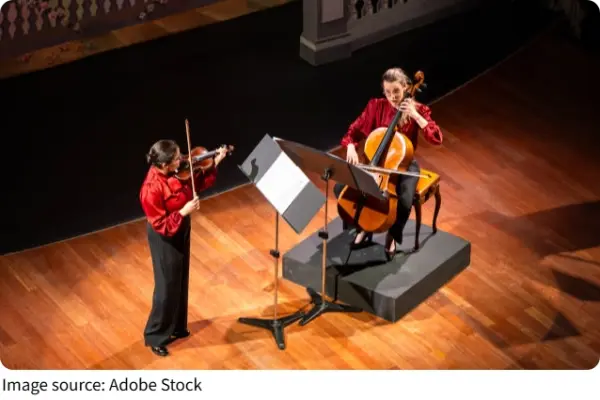
Some ensembles now perform in casual clothing, take audience questions, or perform in parks and cafes instead of formal concert halls. These shifts help make the genre more welcoming without compromising artistic integrity.
Conclusion: Evolution, Not Extinction
So, is classical music dying out? The evidence suggests otherwise. While traditional formats may be facing real challenges, classical music as an art form continues to adapt, inspire, and evolve. It is reaching new audiences through digital platforms, global education, and creative innovation.
Rather than fading away, classical music is transforming—often quietly, but powerfully. If we shift our focus from shrinking concert hall crowds to growing online communities, from rigid tradition to bold reinvention, we might see not a decline, but a rebirth.
What do you think? Does classical music still matter in your life? Share your favorite composers or performances, and let's keep this conversation going!